Film Collections For Movie Enthusiasts
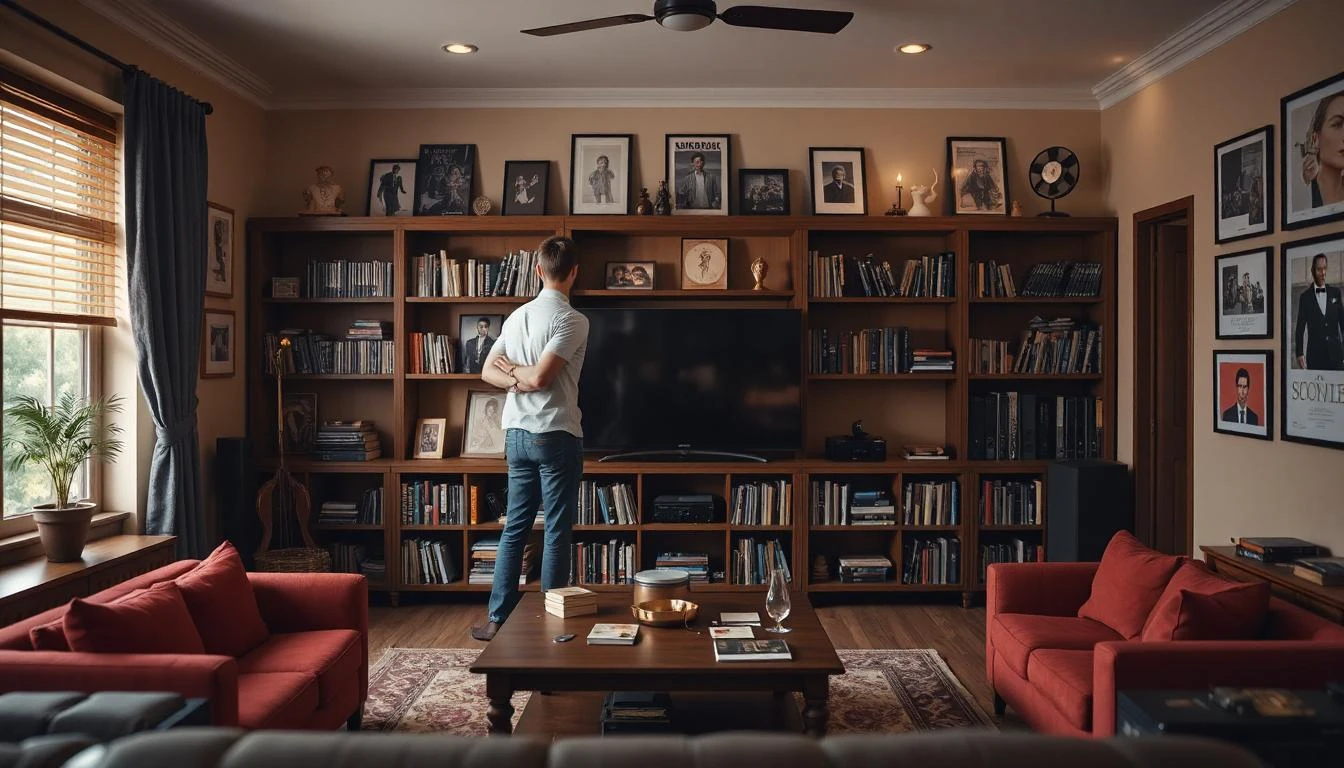
Cinema has evolved into something far more personal than just watching stories unfold on a screen. Today, films are not simply consumed, they are collected, organized, and emotionally archived like treasured memories. Every viewer now has the power to shape a unique cinematic universe.
The modern digital landscape has transformed how audiences interact with storytelling, especially through film collections movie enthusiasts who actively curate what they watch, revisit, and recommend. This shift reflects a deeper desire for meaning, structure, and identity within endless entertainment options.
Streaming platforms have made access easier, but clarity harder. With thousands of titles available, viewers often find themselves overwhelmed rather than inspired. That is where curated film thinking becomes essential.
Exploring Film Collections For Fans
Film collections are no longer just lists, they are personalized storytelling ecosystems that reflect taste, mood, and cultural curiosity.
In today’s digital ecosystem, movie library genres classic films play a crucial role in shaping how audiences navigate content. This keyword reflects how structured categorization enhances discovery and emotional engagement. Alongside this, digital film curation and streaming platforms have reshaped how viewers interact with cinema on a daily basis.
This is where intention becomes powerful. As film critic Roger Ebert once said, “Movies are like a machine that generates empathy,” reminding us that curated viewing deepens emotional understanding rather than just entertainment.
Why movie collections create better experiences
A structured film collection removes chaos from choice. Instead of endlessly scrolling, viewers engage with intentional storytelling paths. This aligns with recommendation algorithms and personalized recommendations, yet human-curated systems often feel more emotionally resonant.
When films are grouped by mood, theme, or narrative intensity, the experience becomes immersive. A thriller marathon feels sharper. A romance sequence feels more intimate. The structure enhances emotional rhythm.
The value of organized film libraries
Organized libraries turn passive watching into active curation. Using metadata tagging and watchlist management, users can sort films by decade, director, genre, or emotional tone.
Film historian Martin Scorsese once noted, “Cinema is a matter of what’s in the frame and what’s out,” emphasizing how structure defines meaning. In the same way, organizing films defines how they are experienced.
A well-built library becomes a personal archive of identity, especially when shaped through film archives and genre-based exploration.
Finding movies based on personal interests
Modern viewers rely heavily on personalized recommendations, yet personal exploration still matters. Long-tail search behaviors like how to build a personal movie library for streaming platforms or best way to organize digital film collections for cinephiles show growing curiosity about intentional viewing systems.
By combining algorithmic suggestions with personal curation, viewers achieve a balanced cinematic experience that feels both guided and self-directed.
Understanding Different Film Collections
Every film collection tells a different story depending on how it is structured. Some focus on emotion, others on culture, and some on pure entertainment value.
Before diving deeper, it is important to understand how movie library genres classic films shape the foundation of most collections. This keyword reflects the balance between categorization and historical value. In addition, cinephile culture and film archives help preserve cinematic heritage across generations.
This layered approach creates a richer viewing experience, especially when combined with modern on-demand streaming services.
How genres shape movie preferences
Genres act as emotional guides. Whether action, drama, horror, or documentary, each category triggers a different psychological response. Through genre-based categorization, viewers can intentionally design emotional journeys.
This system is widely used across streaming platforms, but personal classification often reveals deeper insights than automated sorting.
The role of classics in film collections
Classic films serve as the backbone of cinematic understanding. They represent the foundation of storytelling techniques still used today.
Including classic films in your collection ensures historical awareness and artistic depth. As Roger Ebert once said, “No good movie is too long and no bad movie is short enough,” highlighting the timeless value of well-crafted cinema.
Classics also strengthen engagement with film archives, preserving cultural and artistic evolution across decades.
Exploring hidden gems and popular titles
Not every meaningful film is mainstream. Hidden gems often exist in independent cinema or international releases, waiting to be discovered.
Some of the most transformative cinematic experiences come from films you were never actively searching for.
Exploring independent cinema alongside popular titles creates balance in your collection, ensuring both familiarity and surprise.
Building A Personal Movie Library
Building a personal film library is an act of self-expression. It reflects not only what you enjoy, but how you think about storytelling.
Before diving deeper, it is essential to understand how watchlist management and metadata tagging can shape long-term viewing habits. These tools help organize content in a way that aligns with emotional and intellectual preferences.
This process transforms passive watching into structured discovery.
Choosing films worth watching repeatedly
Rewatchable films often contain layered narratives, strong performances, or timeless emotional resonance. Identifying them requires reflection rather than impulse.
Long-tail strategies such as how to select films for a long-term personal movie collection help viewers refine their choices more effectively.
Creating collections with meaningful themes
Thematic collections give structure to emotion. Categories like “coming-of-age journeys,” “neo-noir atmospheres,” or cinematic universe collections allow viewers to build narrative coherence.
These structures are deeply connected to digital film curation, where storytelling becomes interconnected rather than isolated.
Enjoying cinema through curated selections
Curated viewing transforms how stories are experienced. Instead of randomness, there is flow. Instead of distraction, there is immersion.
As film scholar Ava DuVernay once stated, “Film is a reflection of life filtered through imagination,” emphasizing how curated viewing enhances meaning.
Discover Amazing Film Collections
Film collections today are not just about storage, they are about discovery. They guide emotional exploration and intellectual curiosity in ways that algorithm-only systems cannot fully replicate.
When combined with on-demand streaming services and evolving recommendation algorithms, curated libraries give viewers more control over what they experience. The future of cinema consumption lies in balancing automation with intentional human curation.
What if your next favorite film is already within your reach, hidden inside a collection you haven’t yet built?